Mahjong Origin
Mahjong does not have a single verified inventor. The game most likely emerged in eastern China in the mid-to-late 1800s, evolving from earlier card games. This guide separates the documented history from the legends that still circulate.
The Most Credible Origin Story of Mahjong
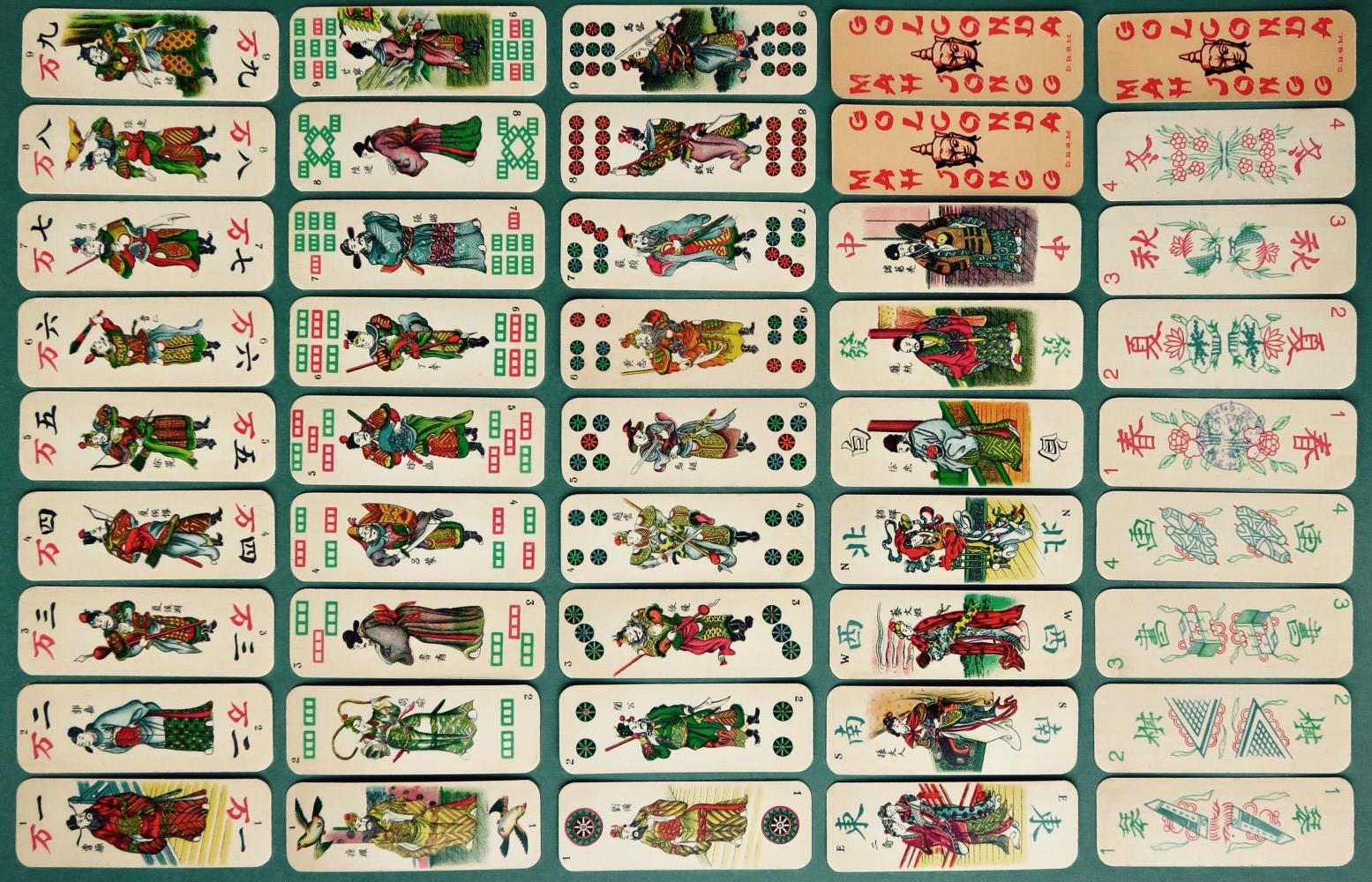
The strongest evidence places mahjong’s emergence in the late Qing dynasty, in the provinces around Shanghai—Zhejiang, Jiangsu, and Anhui. It descended from madiao, a card game popular in the late Ming dynasty. Madiao used paper cards, and mahjong’s shift to tiles was a later adaptation.
No mahjong tiles dating from before 1900 have been found anywhere outside this region, which supports the idea that the game took its recognizable tile form relatively recently.
The Mahjong Legends You Will Hear
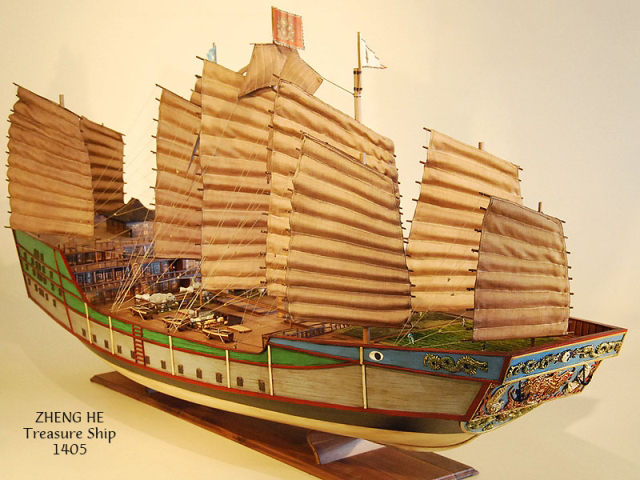
Several colorful origin stories circulate widely. None of them are supported by documented evidence.
Why the Confusion Exists
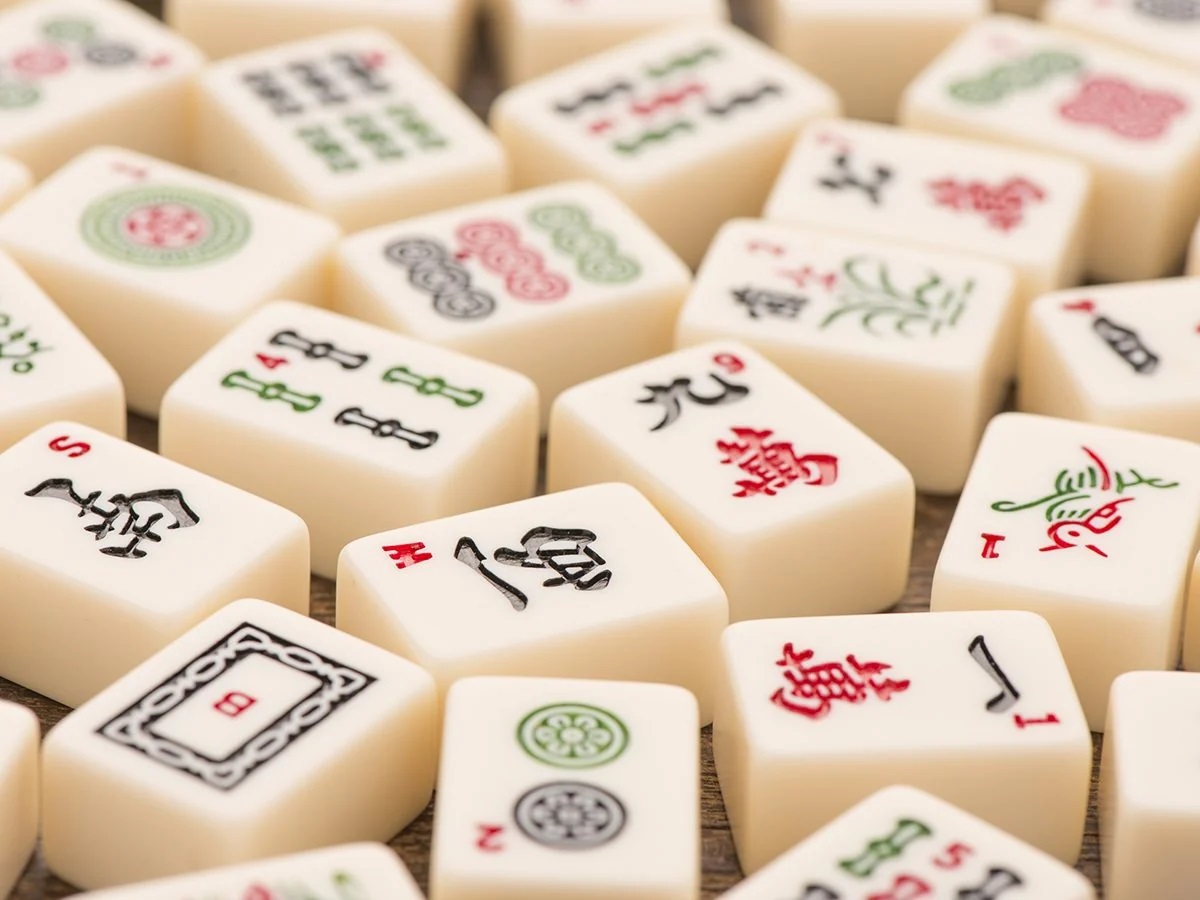
Mahjong’s name comes from the Chinese word for hemp sparrow, maque (麻雀), a bird depicted on the 1-bamboo tile. The game’s exact birthdate is murky because early mahjong was a folk game, played in teahouses and gambling dens, not a courtly pastime with written records.
It became a nationwide craze in China around the turn of the 20th century, and that popularity is when it started to attract documentation—and myth-making.
The short answer: Mahjong originated in eastern China in the 1800s, likely evolved from the card game madiao, and was played with tiles by the late Qing period. Everything older than that is legend.